
Kheloexch live casino and dealer tables
Kheloexch live casino groups dealer tables and streamed game formats. A video feed shows the presentation; the game rules and settled round record explain the result. Compare the formats before treating every tile as the same type of table. For Indian readers, the money-game prohibition remains relevant to live products as well.
The main live table families
| Table family | Core idea | Common point of confusion |
|---|---|---|
| Roulette | A numbered wheel result | A multiplier version may change standard payouts |
| Blackjack | A hand comparison under stated drawing rules | Different table rules change the underlying model |
| Baccarat | Player, Banker and Tie are outcome labels | “Player” does not mean the customer controls the hand |
| Teen Patti | A three-card hand ranking | A branded variant may add side outcomes |
| Andar Bahar | A card-matching sequence across two sides | The exact dealing order matters |
| Game shows | A studio-led event with its own features | A show title is not a standard roulette game |
Classic formats and branded variants may share visual elements while using different rules. A wheel does not automatically imply European roulette, and a card table does not automatically imply blackjack. The full product name is more useful than the background artwork.
Live blackjack can also use a shared table or a format with different customer decisions. A timeout may trigger a rule-defined default. These details need to be understood from the specific product rather than inferred from another table.
The live catalogue layout


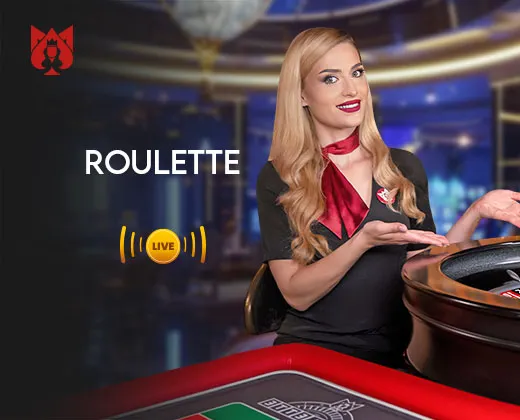

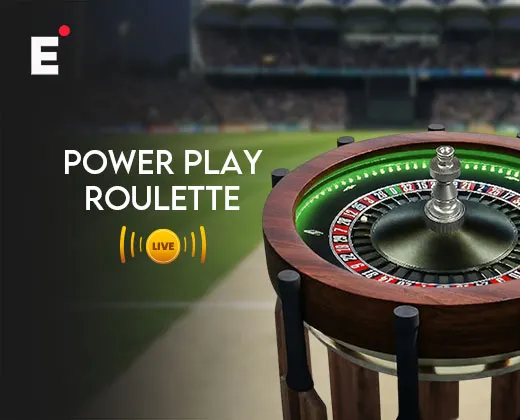



The live gallery includes roulette and card-table names beside provider labels. Use those labels to describe the product, not to infer a payout promise. A “live” badge can mean a streamed dealer, a studio show or another continuously presented format; the provider documentation resolves the mechanism.
For the broader distinction between software-generated and streamed outcomes, read casino outcome mechanisms. The catalogue itself is a reference collection and does not connect to a game server.
Video delay, disconnection and settlement
A streamed image reaches the device after encoding, network delivery and buffering. A countdown on screen can therefore differ from the server’s closing time. The result shown by a video and the transaction accepted by a server are separate records.
When documenting an old connection problem, record the title, round ID, time zone and the last visible status. Preserve any settled history entry after the connection returns. Do not assume that a frozen animation means a round was cancelled or that an on-screen selection was accepted.
| Visible state | Useful evidence |
|---|---|
| Video frozen | Timestamp and connection message |
| Action pending | Any server acknowledgement or transaction ID |
| Round completed | Final result and settled record |
| Balance changed | Before-and-after ledger entries with their timestamps |
A general internet-speed test may help explain a local technical problem, but it cannot prove the acceptance or rejection of a particular action. The operator’s logged round record is relevant to that issue. Keep screenshots with their original metadata whenever possible.
Fairness claims and provider identity
A visible physical wheel is a useful description of a game mechanism, but the stream alone does not audit the whole service. Separate the game provider, the platform operator, the contracting company and the regulator. These are different entities with different responsibilities.
Look for rule-specific disclosures about void rounds, equipment faults and result corrections. A published procedure is more useful than a general “fair and secure” badge. Likewise, a testing logo needs an identifiable certificate or record before it can support a concrete claim.
This overview does not assign a fairness score or repeat untraceable review counts. The methodology explains the evidence standard used for product descriptions.
How to describe an existing dispute
Separate a game dispute from a transfer dispute. For the first, use the product name and round record. For the second, use a bank reference and wallet ledger. Mixing both into a single message without identifiers makes the case harder to follow.
Write a short chronology: what appeared, what you expected according to the rule, and what the settled entry shows. Redact unrelated personal details from public copies. Keep the full original for a legitimate complaint process and ask for a case reference rather than repeatedly opening new conversations.
The account protection page covers credential security. The payment record checklist covers financial evidence.
Frequently asked questions
Are all live products dealer-led?
Not necessarily. A live category can include studio shows and other formats; the specific rules identify the mechanism.
Does a frozen stream cancel a round?
Not automatically. Check the final round record and the applicable disconnection procedure.
What identifies an old table dispute?
The full title, provider, round ID, timestamp, connection state and settled ledger entry.
Does this page connect to a live table?
No. It explains the products with reference images and written descriptions.
Is a stream delay the same as a round delay?
No. A video can lag while the game server has already closed a round; distinguish the recorded statuses.
Are all roulette tables identical?
No. Wheel type, special features and the published table rules can differ.
Where are presenter-led games listed?
Use Game Shows and the separate Ice Fishing guide rather than assuming ordinary table rules.